Teddy Bear Dwarf Sunflower
Days to Maturity: 59 days
Quantity: Approximately 4 g, or about ~225 seeds
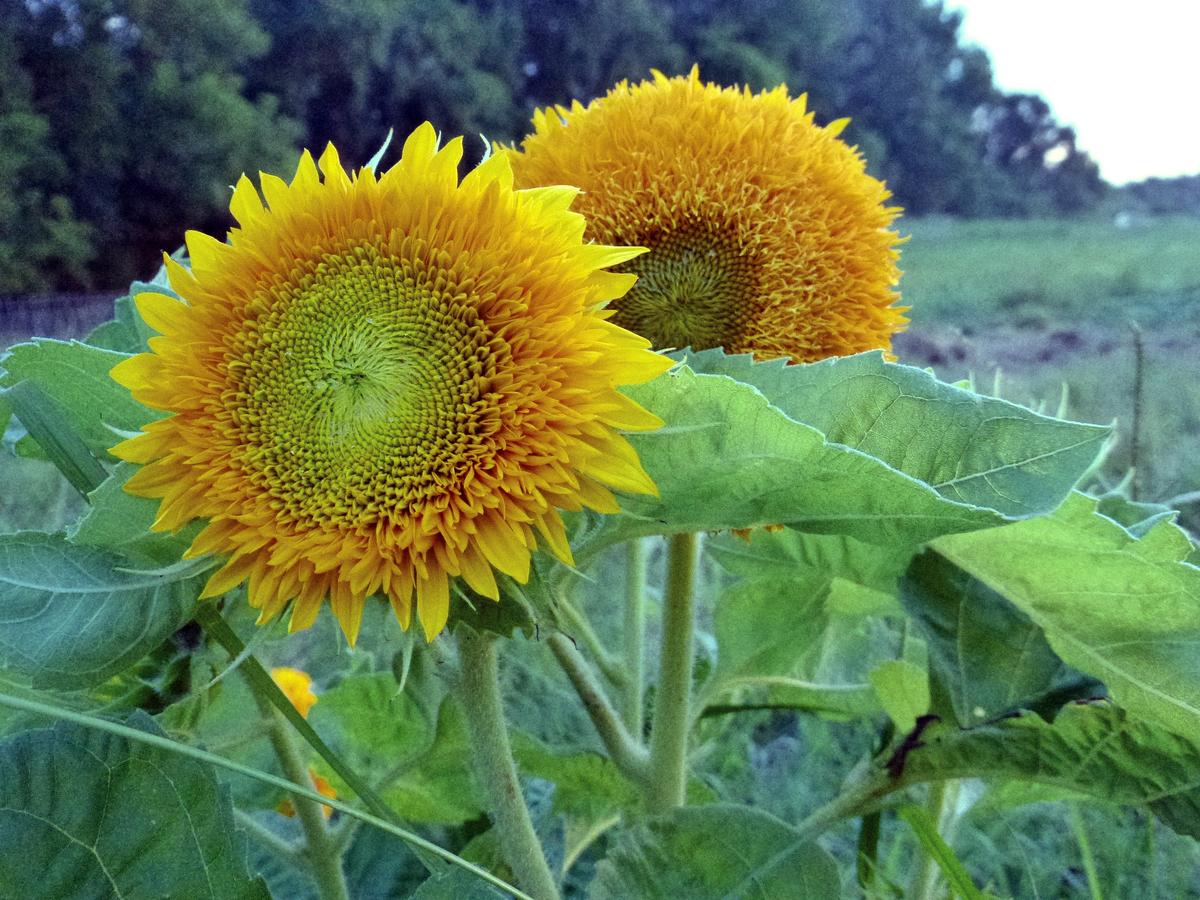
Teddy. Bear. Dwarf. Sunflower, 4 g. An attractive double-flowered ornamental with 3-5 in. yellow to light orange blooms on compact 3 ft. plants. Excellent for cut flowers. (4 g, ~225 seeds). Sunflowers. Helianthus annuus unless otherwise noted.
How to grow:: Annual. Germination: 14 days, 70 degrees F. Full sun. Direct sow in May or June. Space 12-18” apart. Taller varieties may need staking. Early in the growth stage, place a pole at the base of the stalk. As the stem grows, use twine or soft ties to secure it to the stake every 6’ or so. History: Some archaeologists believe that Native Americans may have cultivated sunflowers as early as 3000 B.C. Uses: You can leave any remaining seed-heads in the garden for fall and winter visitors. Or you can cut and dry the seed-heads indoors. Throughout the winter months, tie dried heads to trees or to your deck to create feeding stations.Uses: You can leave any remaining seed-heads in the garden for fall and winter visitors. Or you can cut and dry the seed-heads indoors. Throughout the winter months, tie dried heads to fences or to your deck or suspend in trees to feed birds.
Product Information
Product Information
Shipping & Returns
Shipping & Returns
Description
Days to Maturity: 59 days
Quantity: Approximately 4 g, or about ~225 seeds
Teddy. Bear. Dwarf. Sunflower, 4 g. An attractive double-flowered ornamental with 3-5 in. yellow to light orange blooms on compact 3 ft. plants. Excellent for cut flowers. (4 g, ~225 seeds). Sunflowers. Helianthus annuus unless otherwise noted.
How to grow:: Annual. Germination: 14 days, 70 degrees F. Full sun. Direct sow in May or June. Space 12-18” apart. Taller varieties may need staking. Early in the growth stage, place a pole at the base of the stalk. As the stem grows, use twine or soft ties to secure it to the stake every 6’ or so. History: Some archaeologists believe that Native Americans may have cultivated sunflowers as early as 3000 B.C. Uses: You can leave any remaining seed-heads in the garden for fall and winter visitors. Or you can cut and dry the seed-heads indoors. Throughout the winter months, tie dried heads to trees or to your deck to create feeding stations.Uses: You can leave any remaining seed-heads in the garden for fall and winter visitors. Or you can cut and dry the seed-heads indoors. Throughout the winter months, tie dried heads to fences or to your deck or suspend in trees to feed birds.